Thursday, May 20, 2010

Set 337

For first time visitors I recommend this archive for some of my best posts.


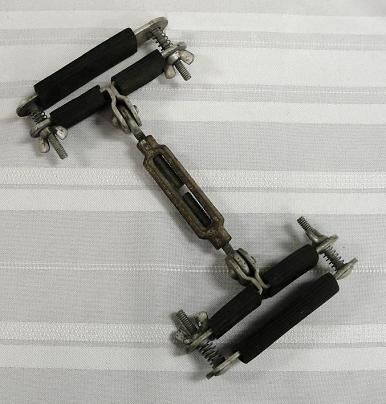
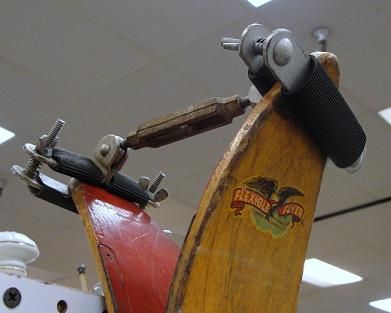
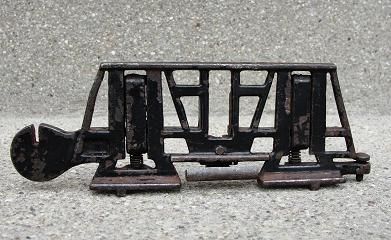
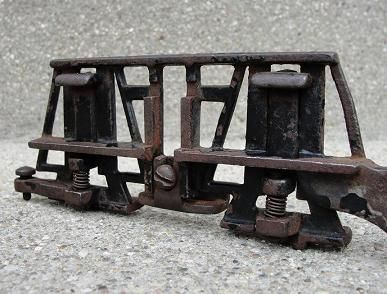
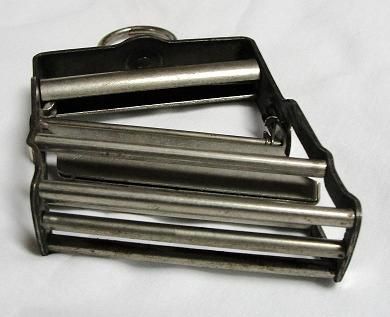
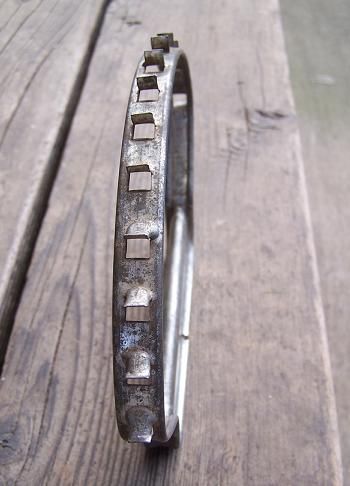
1933. 8" long:

Larger image


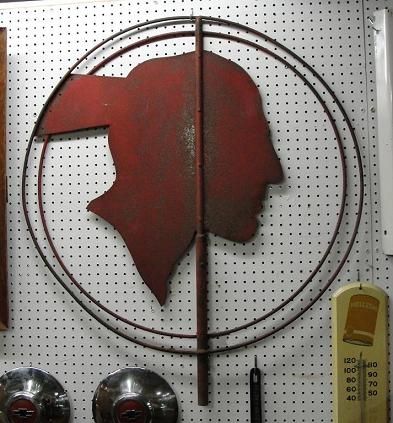
1934. 36" diameter:

Larger image


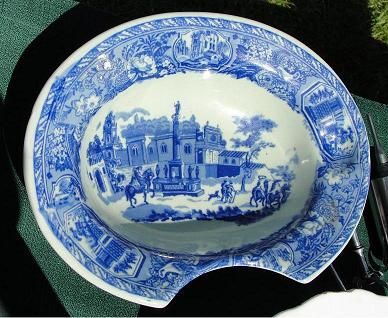
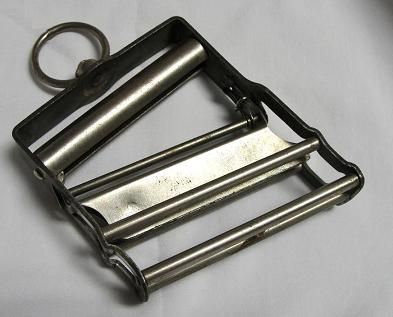
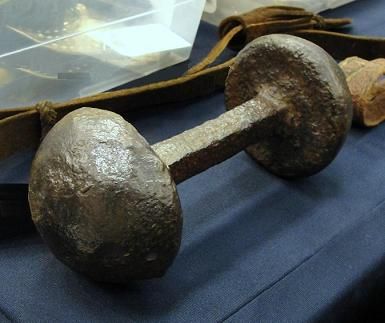
1935. 11" long:

Larger image


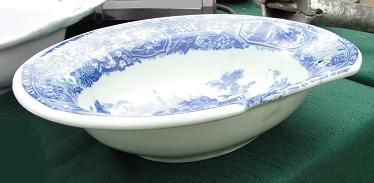
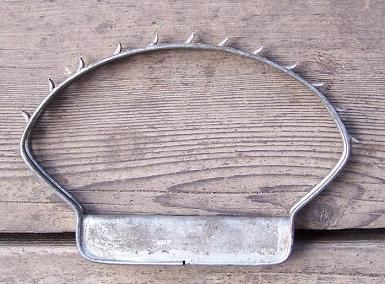
It's around 2-3/4" deep:


1936. The points are 2-1/2" apart, take a look at Neatorama for more guesses on this one:


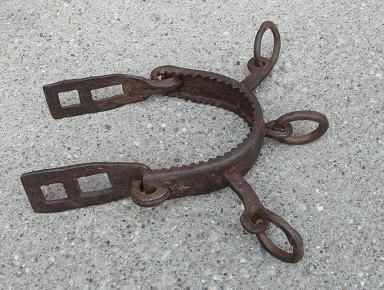
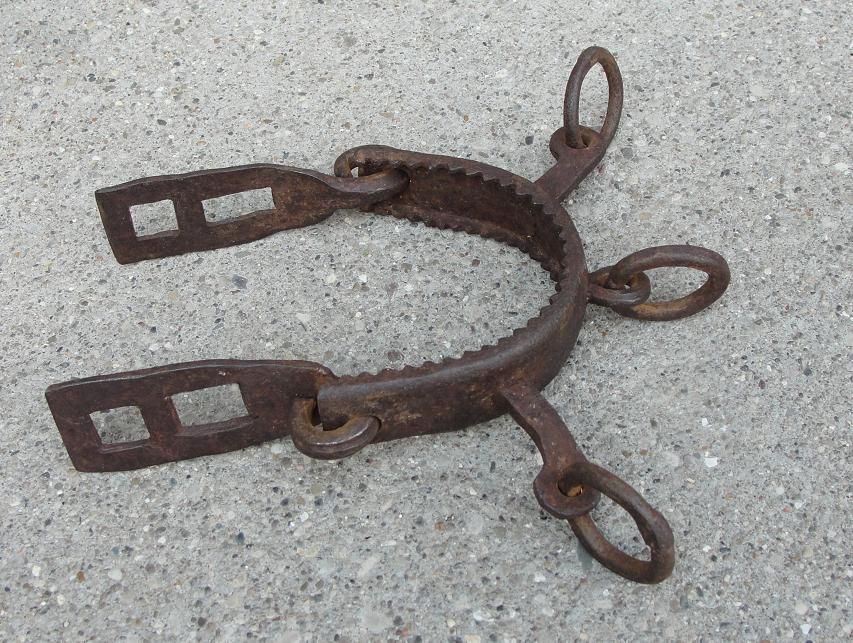
1937. 7-3/4" long, an unidentified piece of hardware:

Larger image


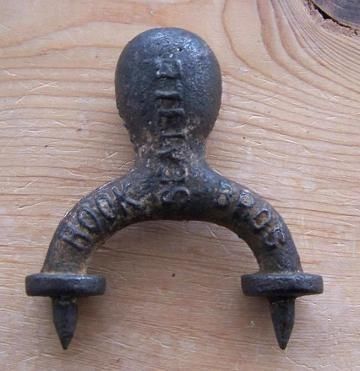
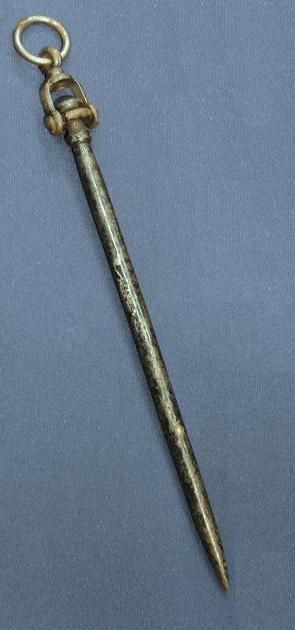
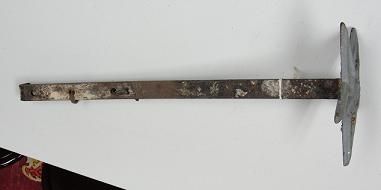
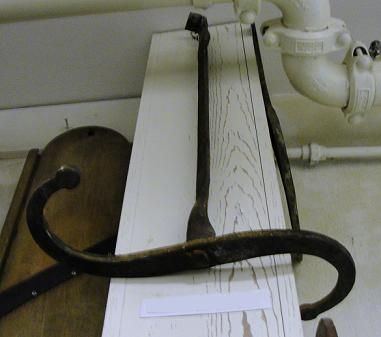
1938. 18" long:


Answers:


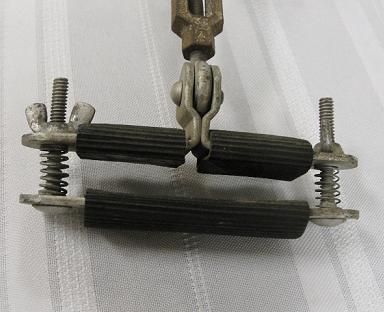
1933. A clamp for use on snow skis:


Larger image


1934. A Pontiac weather vane from a car dealership:

Larger image


1935. A barber's bowl that was used back when they were also surgeons, the bowl was held against the neck when shaving and was also placed against the arm, just below the cut when a patient was undergoing a blood letting procedure:

Larger image


1936. A can opener, it could likewise be used to close the openings by placing the points in the holes when putting the can in the refrigerator, patent number 1,037,541:


1937. This is part of a 'three ring serreta' that is for use on a horse, it's missing its leather cover, lots of examples on this site.

Larger image


1938. A picket from the Civil War for use with a horse, it was pounded into the ground and the horse was then tied to the ring:


To submit photos, send them to the address in my profile.


Last week's set is seen below, click here to view the entire post.


More discussion and comments on these photos can be found at the newsgroup rec.puzzles.

Thursday, May 13, 2010

Set 336

For first time visitors I recommend this archive for some of my best posts.


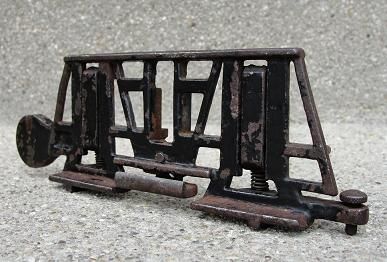
1927. 7-1/2" long:


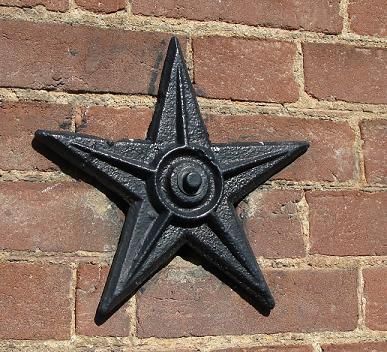
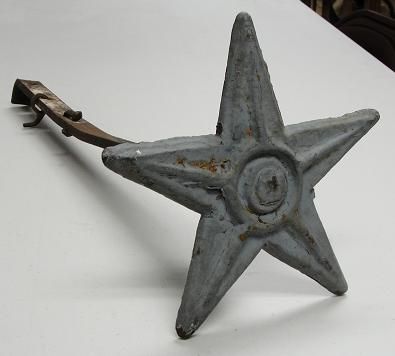
1928. 9" tall:


1929. Approximately 5" long:


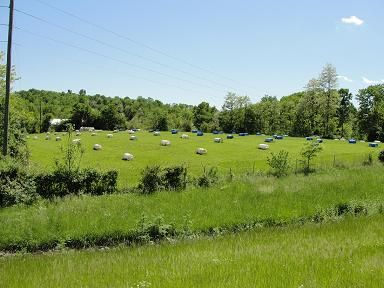
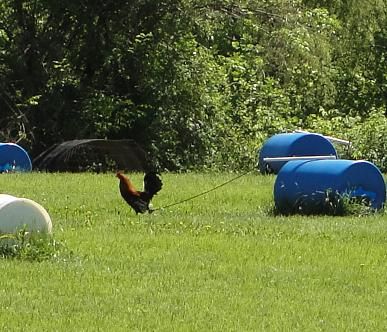
1930. The idea here is to state the purpose of the objects in this field:


1931. 10" long, 12 pounds, take a look at Neatorama for more guesses on this one and a chance to win a prize:


1932. 7" long:


Answers:


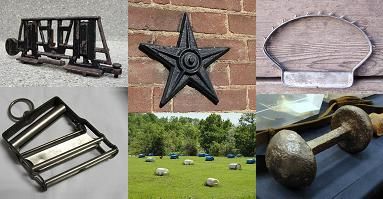
1927. A Disston combination saw set and raker gauge or saw jointer, the saw set is the slot in the round part on the end. This tool is missing its file that would have been used as a saw jointer to level the teeth of a saw prior to sharpening.


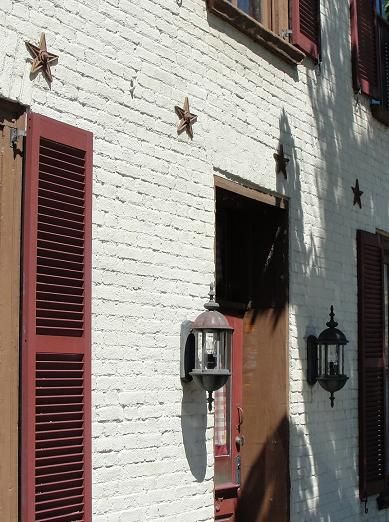
1928. An anchor plate or bearing plate, it's connected to a through bolt, which ties the wall and floor systems together to give extra support to the wall. In earthquake zones they are sometimes called earthquake bolts, though they are also used in many areas that are not prone to quakes.


An S-brace that was used in the same manner as the star:


1929. This was made to hold a long piece of leather that was used to strop a straight razor:


One of the best money saving ideas that I've heard in the past few years is to strop your own razor at home, disposable razors used to last me only a week but since I've been stropping them they last at least five times as long. I use a pair of blue jeans for a stropper, as seen in this video.

From further research I've learned that keeping the razors dry is equally important to stropping, since oxidation can dull the blades.


1930. Two years ago I drove past this field and wondered what the plastic cylinders were for, a couple weeks ago I saw them once again but this time I pulled over for a closer look. Turns out that they are hutches for roosters.


1931. A naval bar shot, it was fired from a cannon and was designed to rip away an enemy ship's rigging, similar to chain shot.


1932. A beekeeper's wire imbedder (sic), it was used to embed wire into a comb foundation to give it strength, as seen on page 366 of 'The Beekeeper's Guide'.


To submit photos, send them to the address in my profile.


Last week's set is seen below, click here to view the entire post.


More discussion and comments on these photos can be found at the newsgroup rec.puzzles.

Thursday, May 6, 2010

Set 335

For first time visitors I recommend this archive for some of my best posts.


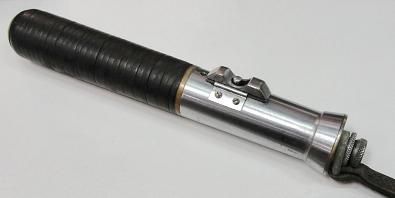
1921. 9-1/2" long:
Larger image


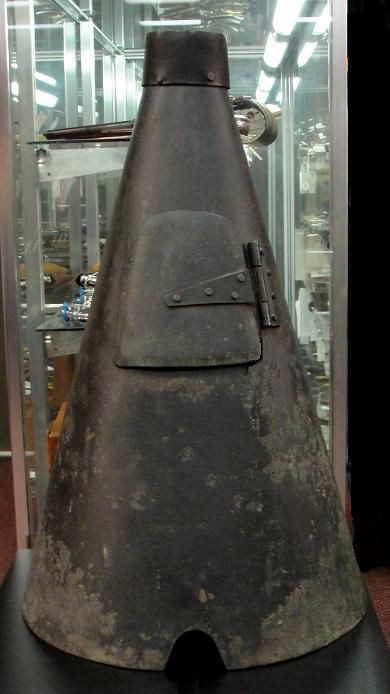
1922. 30" tall:


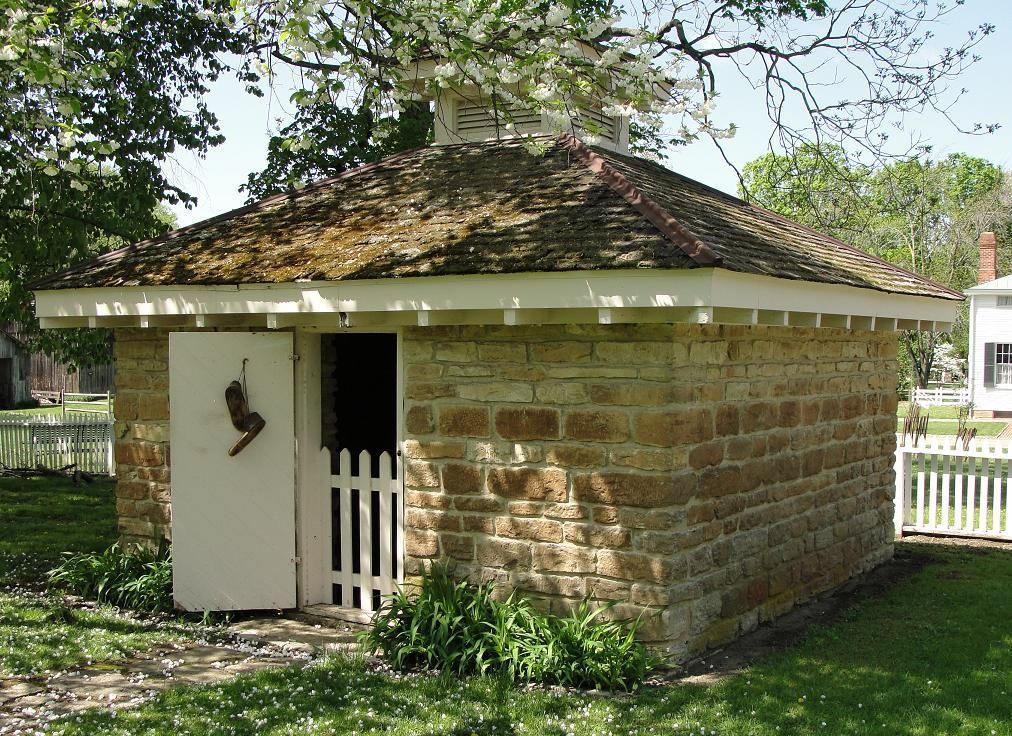
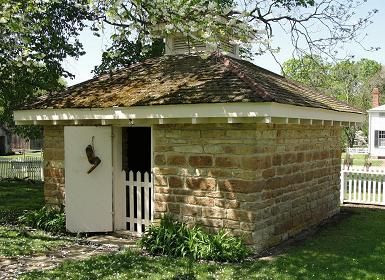
1923. This structure was built for a specific purpose, extra credit if you can give the reason for the picket fence in the doorway and identify what is hanging on the door:
Larger image


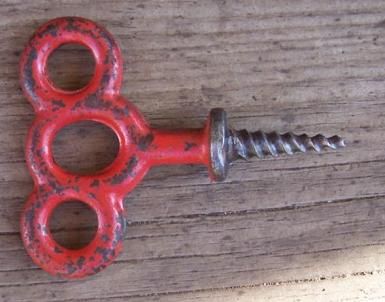
1924. 3-3/4" long, take a look at Neatorama for more guesses on this one and a chance to win a T-shirt:


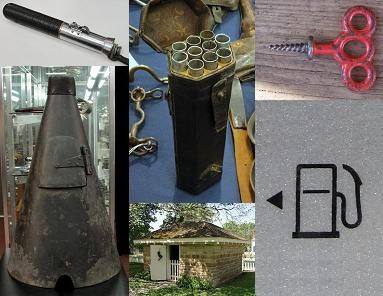
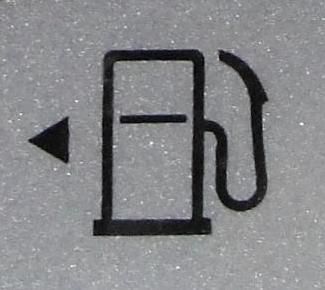
1925. The idea here is to describe the significance of the symbols seen below:


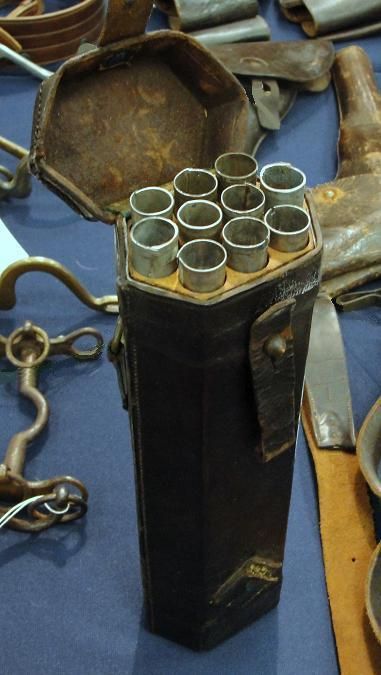
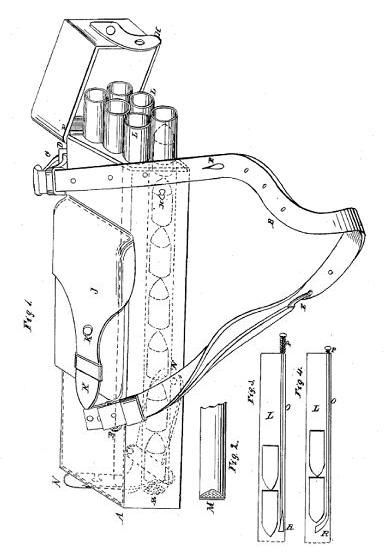
1926. 12" tall:


Answers:


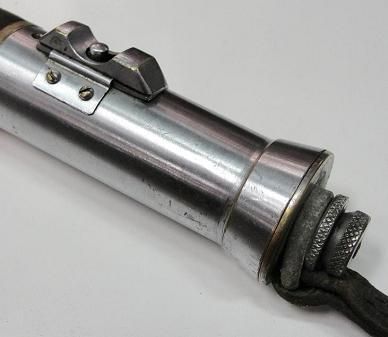
1921. A policeman's tear gas billy club, patent number 1,567,659, which states:
For offensive or defensive use in police work or the like, and more particularly against large gatherings...

I provide a weapon which discharges an incapacitating gas, such as tear gas, thereby effectually coping with the situation without loss of life, but while I prefer to use a gas having only temporary effect, I do not limit my invention thereto, as lethal gases may be employed for use in more serious circumstances.

...capable of discharging a stream of incapacitating gas for a distance of fifty feet or more.

...also useful against barricaded criminals, as has been shown by actual use, since the gas may be readily discharged through a keyhole or under a door.


Larger image


1922. A Sibley stove, it was invented by Henry Hopkins Sibley to be used by Civil War soldiers to stay warm in Sibley conical tents, it was supposedly patented in 1856, I couldn't find the original patent but did find an improvement to it that was issued in 1918, patent number 1,371,794.


1923. An ice house, ice was cut from a frozen lake, it was covered with sawdust and stored in the ice house for use during spring and summer. The fence is at the door because there is no ground level floor in the ice house, if a person were to walk through the door, they would fall into an eight feet deep pit. Hanging on the door is a pair of spiked strap-on cleats for walking on the frozen lake.

Larger image


1924. A stage screw, used to anchor stage braces to the floor, as seen in patent number 648,531. According to patent number 820,655, they could also be inserted into "walls, or upper structure to provide a fixed pint of attachment, so that cables, hooks, guy-ropes, etc, may be readily engaged with ring portions, and thus fastened to the handle, or the device may be used in connection with the various stage-settings and scenery-frames as a fastening means or coupling member."


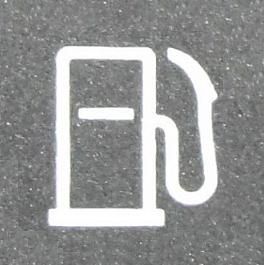
1925. Both symbols were found on the fuel gauge of a car dashboard, the arrow indicates that the gas tank door is located on the left side of the vehicle. This symbol is can be seen on most new cars and is especially helpful on rentals or for someone who drives a number of different models .
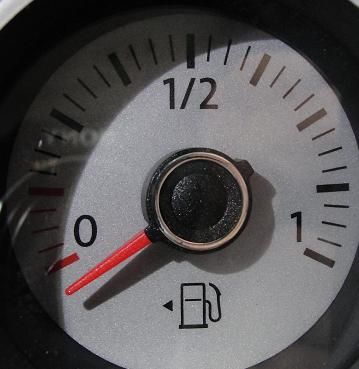


When there is no arrow, the gas tank location is indicated by which side of the pump that the hose is on, in this case that would be the right side of the car.
Update: I had read that this was correct but it turns out that this is not true for all vehicles.


1926. A Blakeslee Quickloader, it held seven cartridges that could be loaded into the back of a Spencer rifle, instructions with good illustrations on how it was used can be seen here, patent number 45,469. These must be fairly rare, this one just sold for $4,600 at an auction.


To submit photos, send them to the address in my profile.


Last week's set is seen below, click here to view the entire post.


More discussion and comments on these photos can be found at the newsgroup rec.puzzles.