Thursday, August 12, 2010

Set 349

For first time visitors I recommend this archive for some of my best posts.


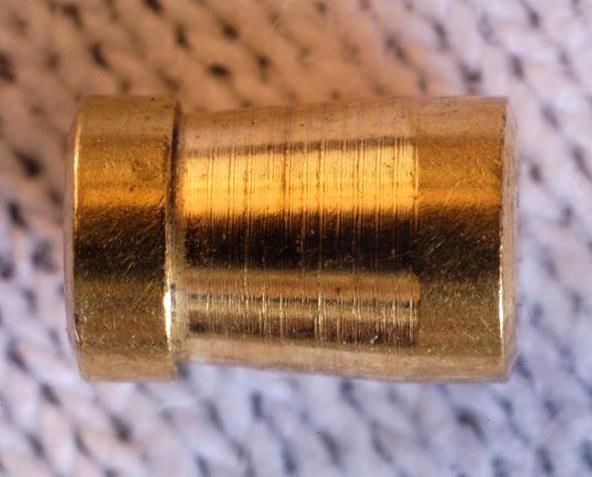
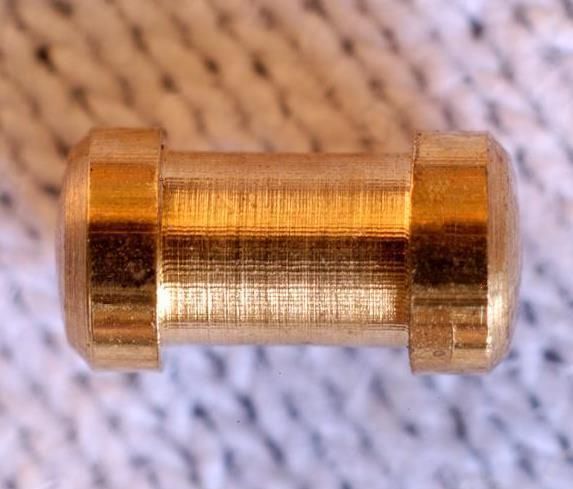
2005. These three items are all slightly less than 1/8" diameter:

Larger image


Larger image


Larger image


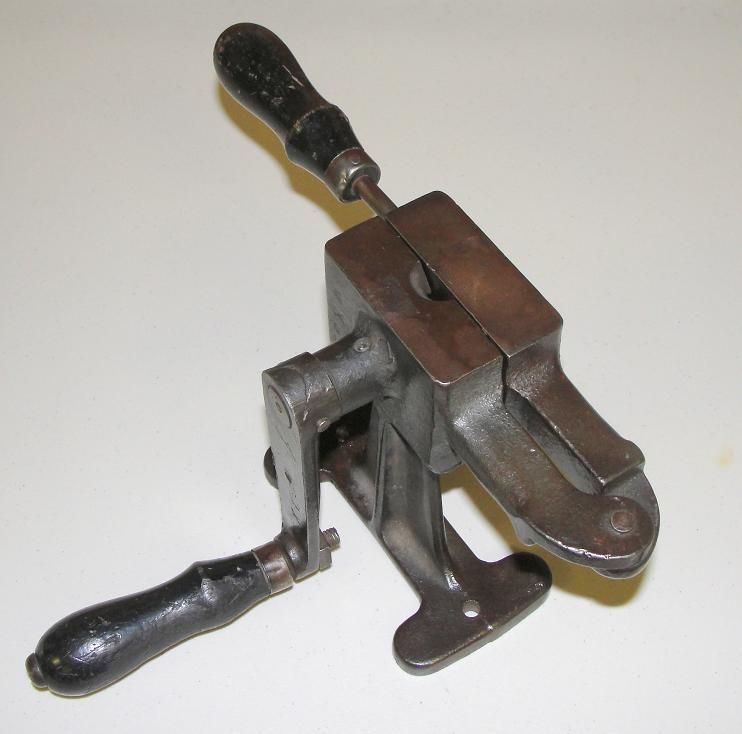
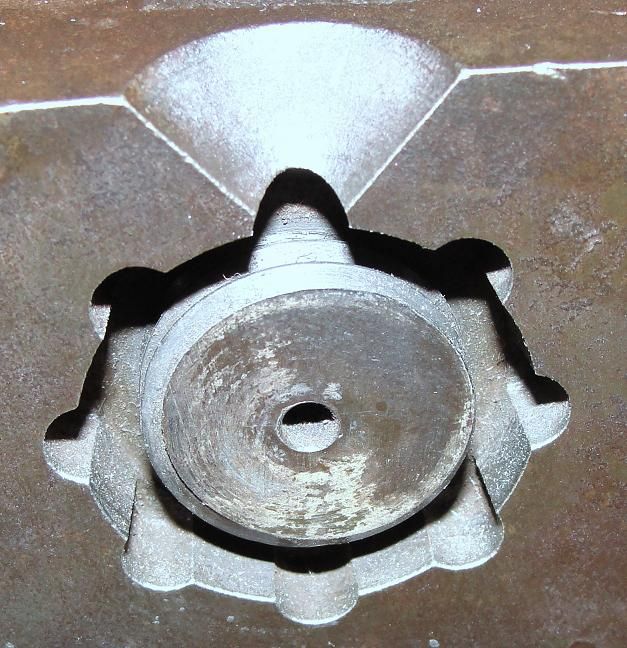
2006. Someone is looking to find the purpose for this device, the upper part is hinged and can be opened.

Larger image


The piece in the center is threaded and rotates when the handle is turned:

Larger image


The other half of the top:

Larger image


2007. 16" long:

Larger image


2008. 12" tall:


Turning the knob at the lower right rotates each of the six sides to reveal a compartment behind each one:


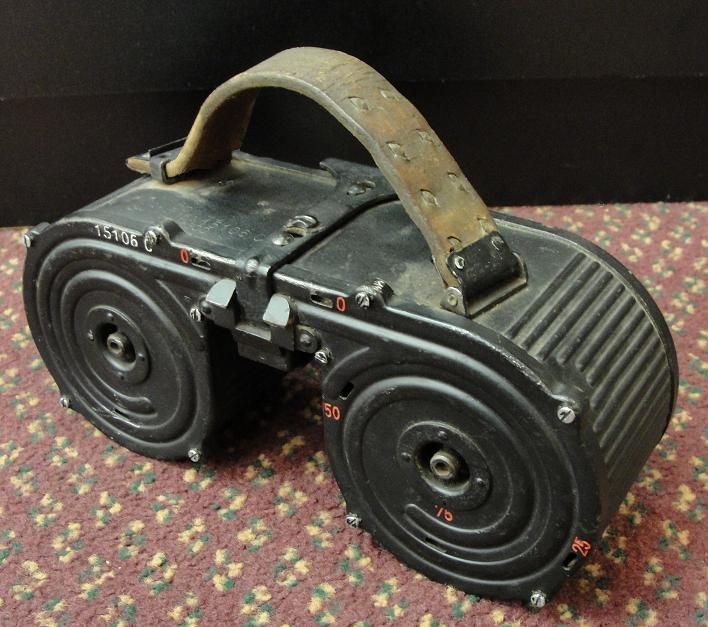
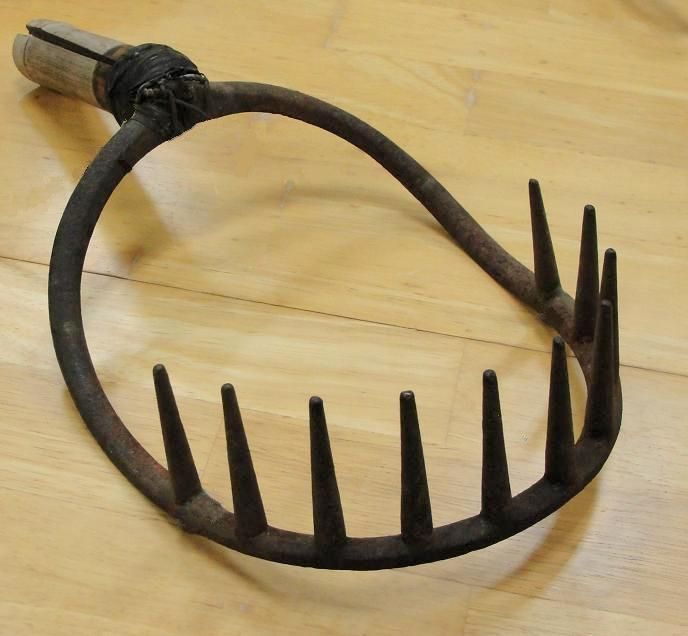
2009. 14" long:

Larger image


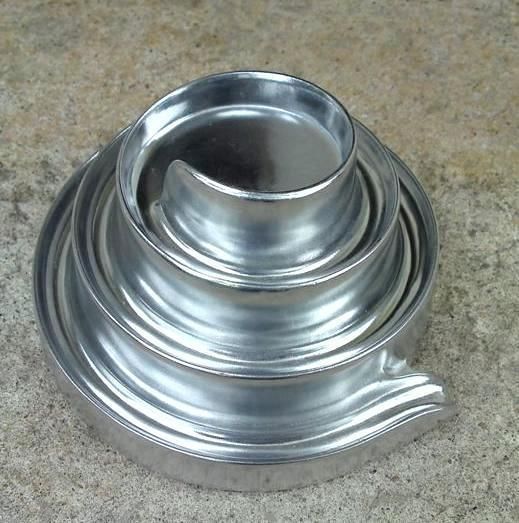
2010. 6-1/4" diameter, take a look at Neatorama for more guesses on this one and a chance to win a T-shirt:

Larger image


Answers:


2005. These are all security pins from the inside of a lock, they make the lock more difficult to pick. By comparison regular pins are just a straight cylinder. This first one is a Medeco top mushroom pin:

Larger image


A serrated top pin:

Larger image


An Abus spool top pin:

Larger image


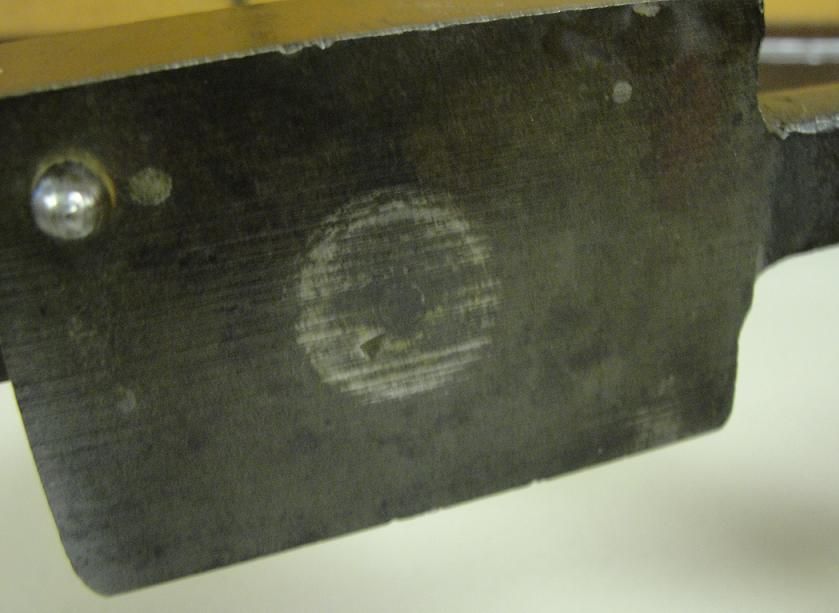
2006. This is probably a mold for a conduit bushing:

Larger image


Two pieces were cast from the mold, one in solder and the other in wax:


2007. A WWI German model 1908/15 machine gun double drum magazine:

Larger image


2008. An 1870s condiment holder:


2009. This was marked "primitive wool stretcher", but it might actually be an apple picker that has had its long handle cut off, it also looks similar to this rake:

Larger image


2010. A Helter Skelter Drink Cooler with an internal ice block, once the the chiller is frozen it is placed at the edge of a table, a drink is poured onto the top and by the time it reaches the glass at the bottom of the ramp the liquid will be cooled.

Larger image


To submit photos, send them to the address in my profile.


Last week's set is seen below, click here to view the entire post.


More discussion and comments on these photos can be found at the newsgroup rec.puzzles.

Thursday, August 5, 2010

Set 348

For first time visitors I recommend this archive for some of my best posts.


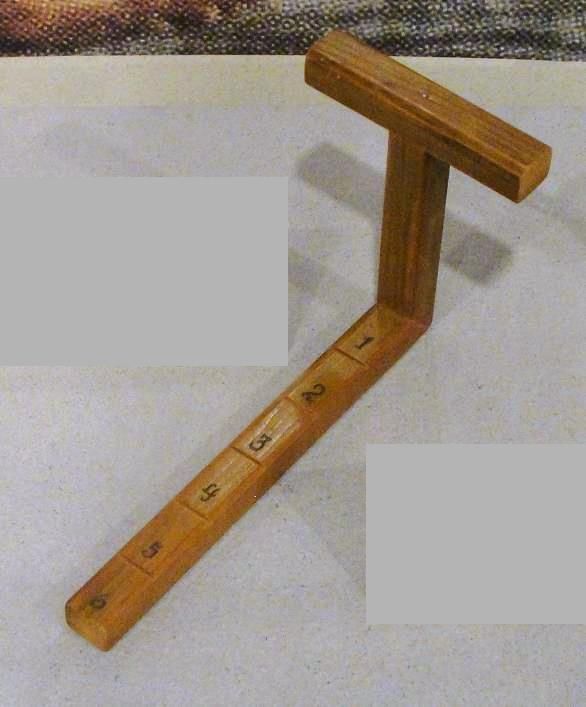
1999. 8" long, this is a replica of something that was used over 2000 years ago:

Larger image


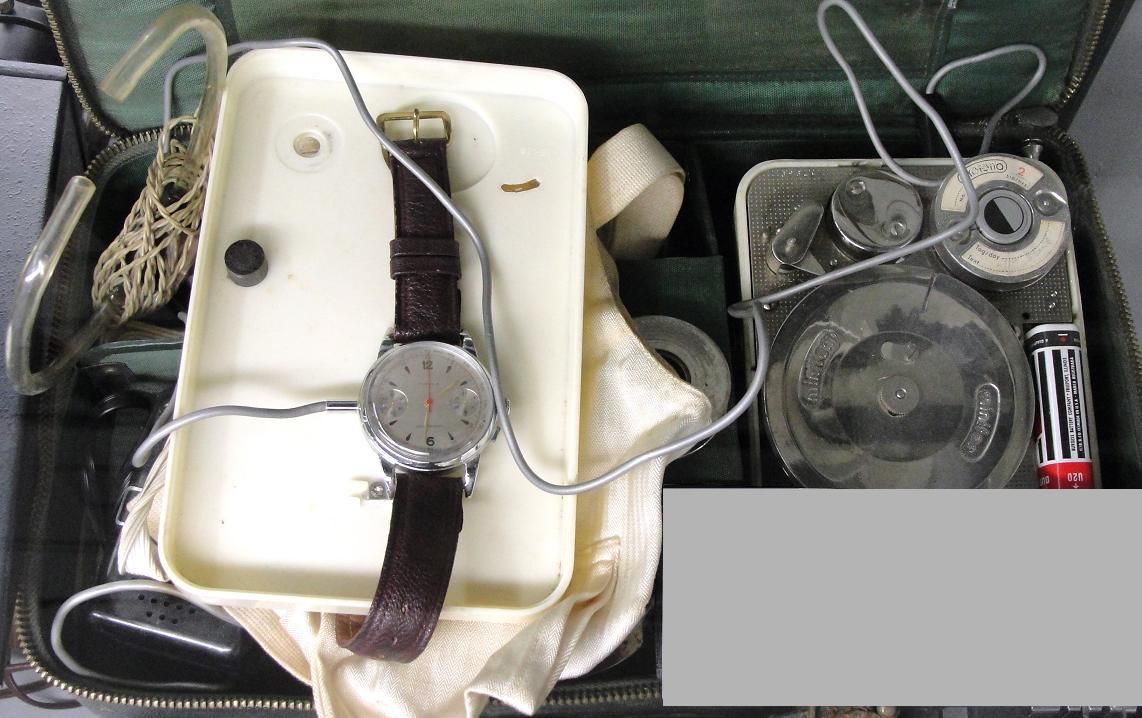
2000. The case is around 10" long, circa 1960:

Larger image


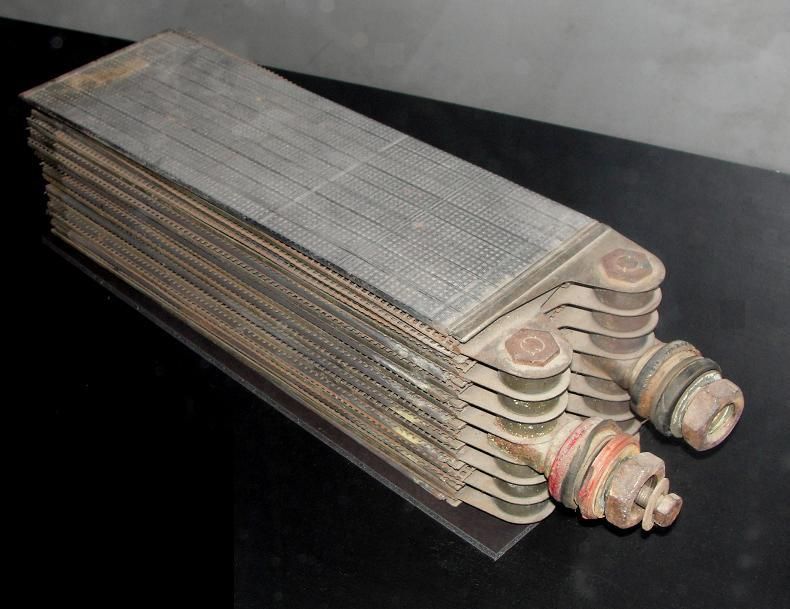
2001. Approximately 12" long:

Larger image


2002. Sent in by a visitor who is looking to find the purpose of this ceramic container that is half full of sand, the lid has been permanently attached with glue:


2003. 4" long, take a look at Neatorama for more guesses and a chance to win a T-shirt:

Larger image


2004. The part in the middle is 1-7/8" long, it's hollow and is open on both ends:


Answers:


1999. An Egyptian Shadow Stick or Shadow Clock, the ancient Egyptians were among the first to use the the shadow cast by a stick to tell time. As the sun rises in the sky, the shadow acts like the hands on a mechanical clock, it moves along the stick and falls on the hour markers carved into the wood. At mid-day, the stick has to be turned around as the sun descends.

Larger image


2000. A Minifon NKG52 Body Wire with wrist microphone. The wristwatch contained the microphone, it fed the recorder by wire up the arm and the recorder was then suspended from the shoulder, under the arm. The "tape" was actually very thin wire on a spool. This is where the term "wearing a wire" came from. This model was made around 1960.

Larger image


2001. An Edison Battery, c.1920, it was designed by Thomas Edison, this alkaline battery uses iron in the positive anode and nickel in the negative cathode. These batteries were widely used in industrial and railroad applications.

Larger image


2002. No answer yet for this one:


2003. A Finger Protector for use by a dentist so that he doesn't get accidentally bitten.

Larger image


2004. A spike from a Stop Stick that was made to be used by the police for stopping vehicles that they were chasing.


The spikes are held in place with styrofoam:

Larger image


Each of its three sides is lined with spikes, patent number 5,330,285


To submit photos, send them to the address in my profile.


Last week's set is seen below, click here to view the entire post.


More discussion and comments on these photos can be found at the newsgroup rec.puzzles.

Thursday, July 29, 2010

Set 347

For first time visitors I recommend this archive for some of my best posts.


1993. 15" long:
Larger image
Close-up image


1994. Approximately 7" long:


1995. 30" tall:

Larger image


1996. Around 28" tall, take a look at Neatorama for more guesses and a chance to win a T-shirt:


1997. About 9" long:


Larger image


Larger image


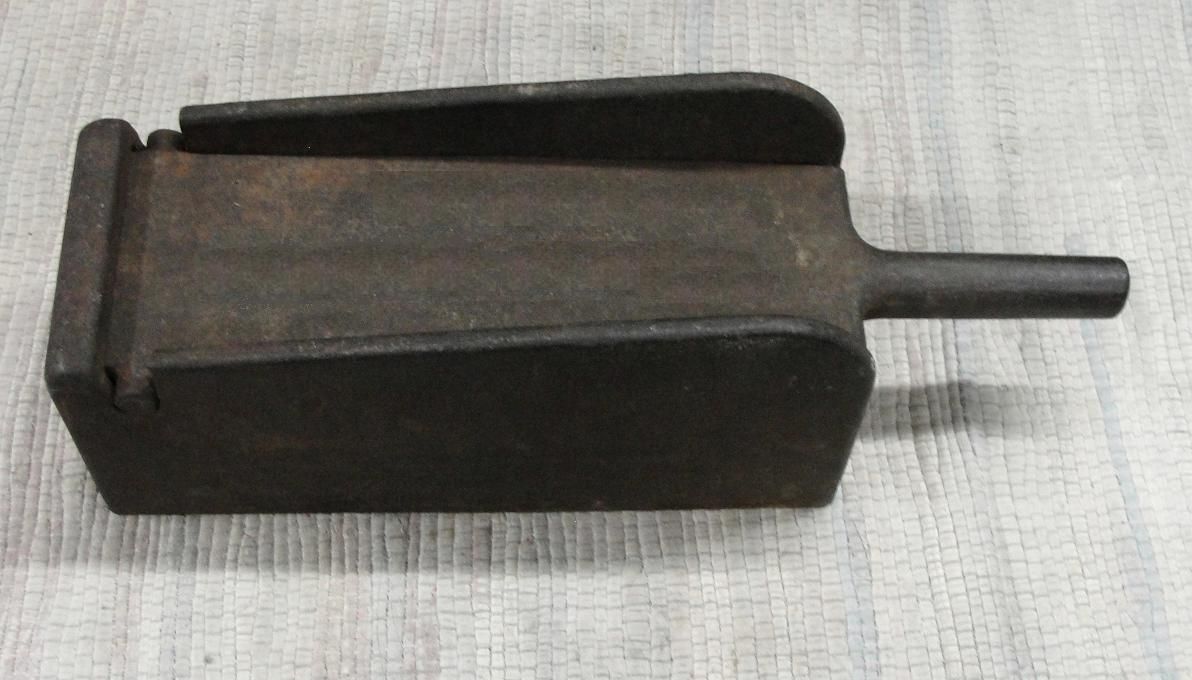
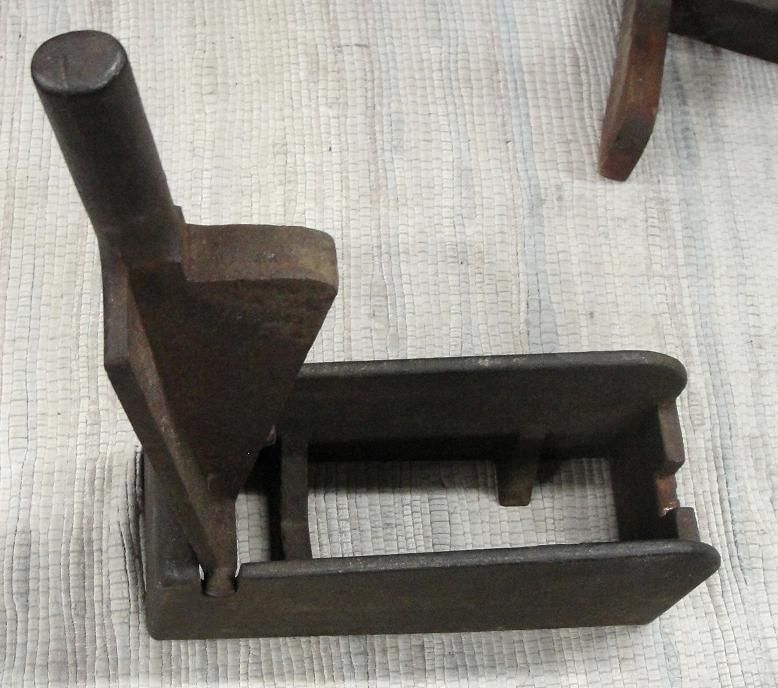
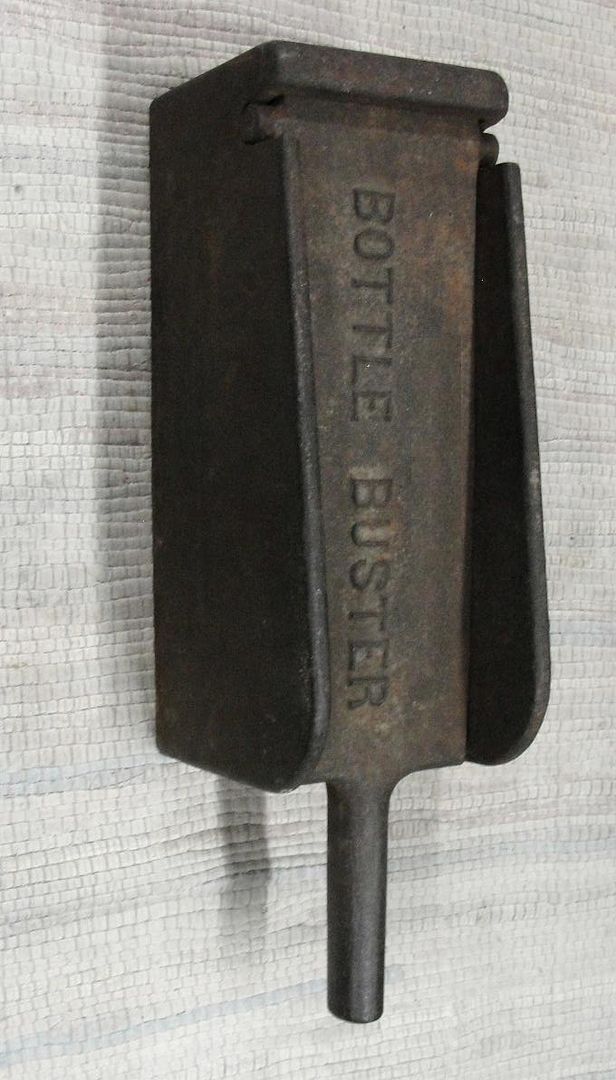
1998. The base is 14" long:

Larger image


Larger image


Answers:


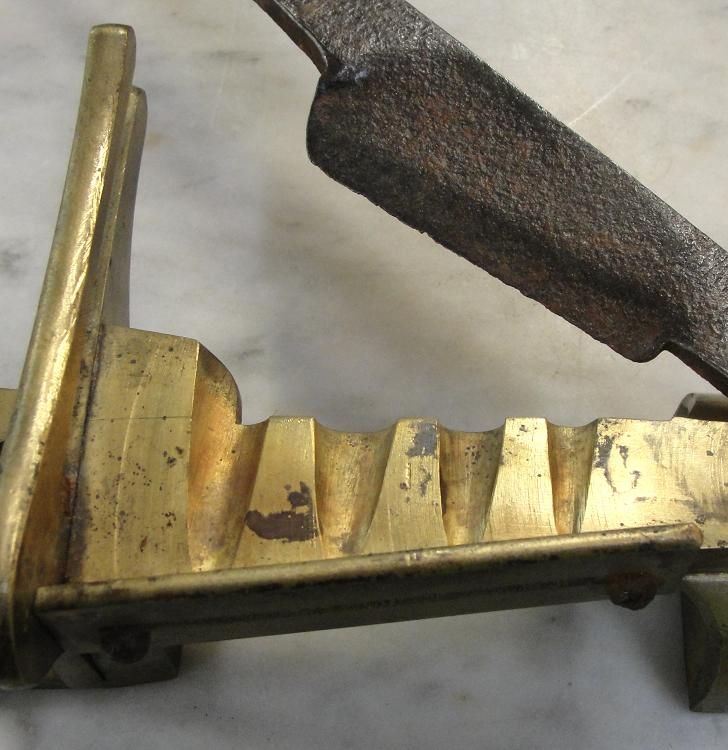
1993. A grafting tool, used in cleft grafting for cutting the scion into a wedge shape so that it will fit into the slot in a larger branch.

Larger image
Close-up image


1994. A plate from an old Majestic radio made by the Grigsby-Grunow Company, the dial knob would go into the hole at the bottom and the numbers would be seen through the larger hole at the top:


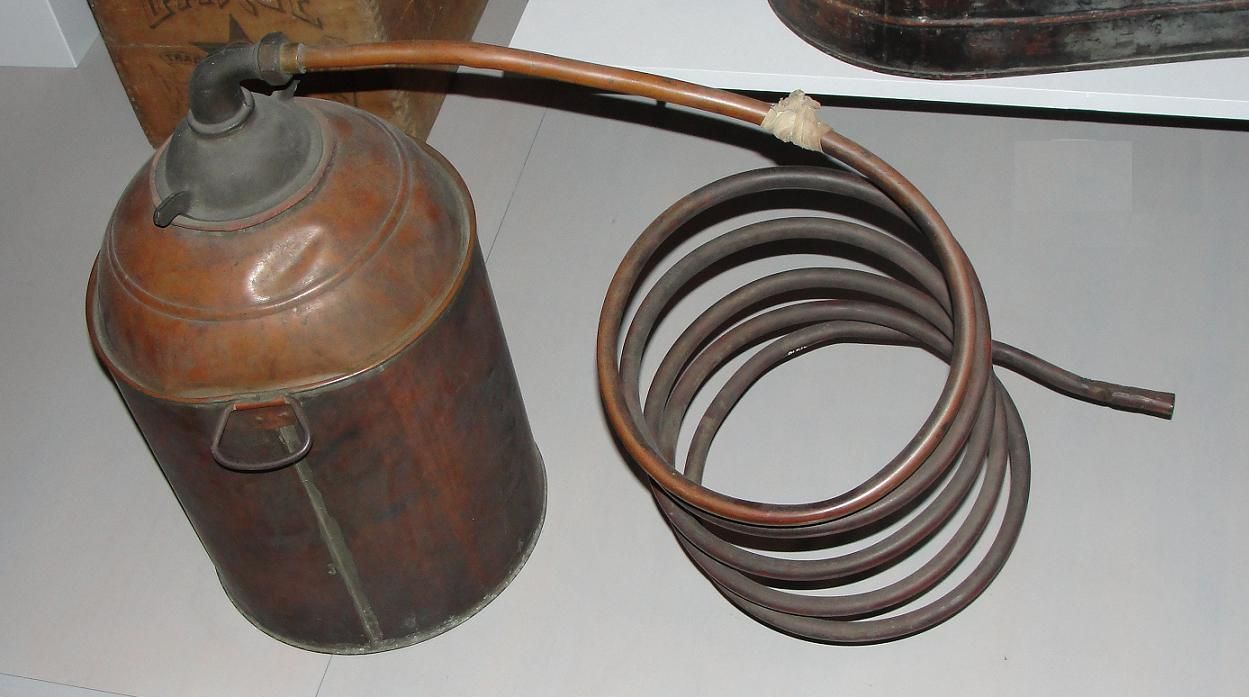
1995. A copper whiskey still used for making alcohol in Pennsylvania during the prohibition.

Larger image


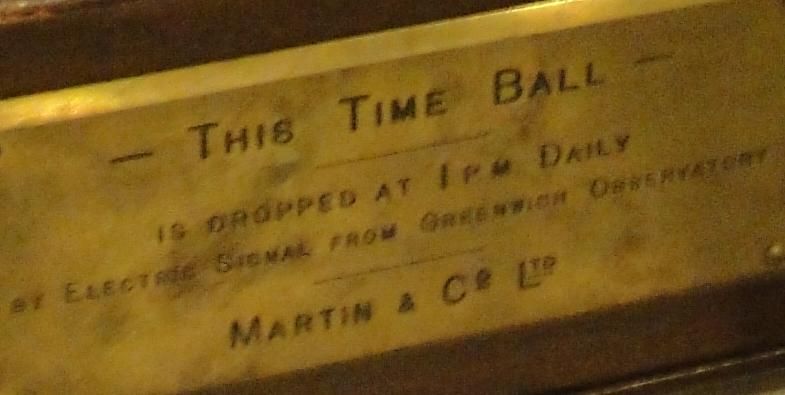
1996. A Small Time Ball that was used around 1855, this clock would sit in a railroad station or store window and was connected to a telegraph line. At precisely 1:00 P.M. daily, the Royal Observatory at Greenwich would send out a signal to all of these clocks and the ball would drop. By charging for this service, observatories could profit from keeping time. The ball we see dropped on New Year's Eve every year originated from the practice of observatories dropping a large ball from the top of the building to indicate to ships and towns the precise time each day.


Larger image


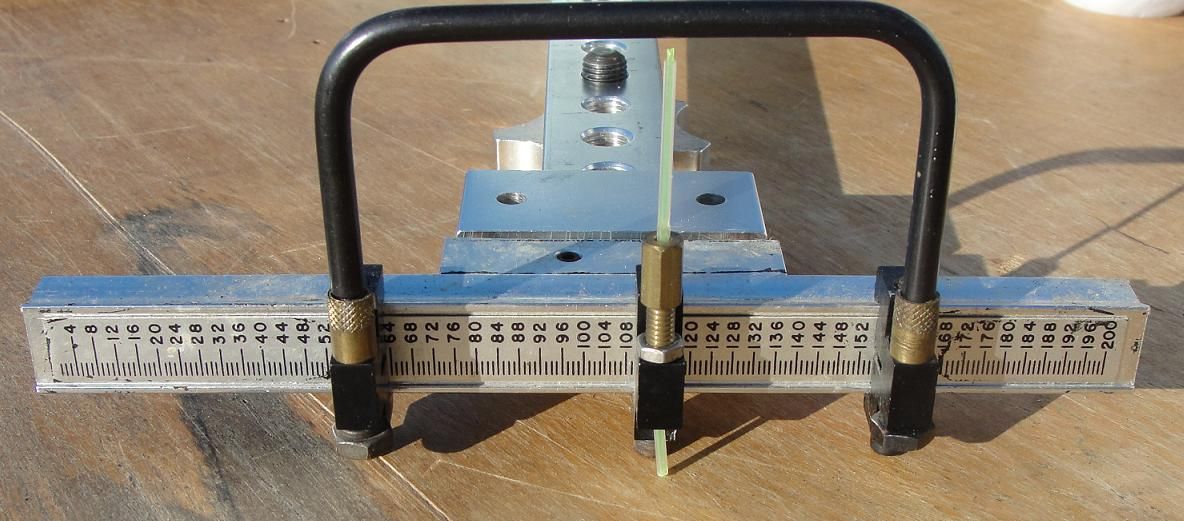
1997. A sight for a compound bow that can be adjusted for different distances, similar to the one seen here.


Larger image


Larger image


1998. A bottle buster, it was most likely placed over a hole in a table with a container below to catch the glass. This device was probably used to break liquor bottles since bar owners were required to break them so that they couldn't be refilled with illegal moonshine whiskey.

Larger image


Larger image


To submit photos, send them to the address in my profile.


Last week's set is seen below, click here to view the entire post.


More discussion and comments on these photos can be found at the newsgroup rec.puzzles.